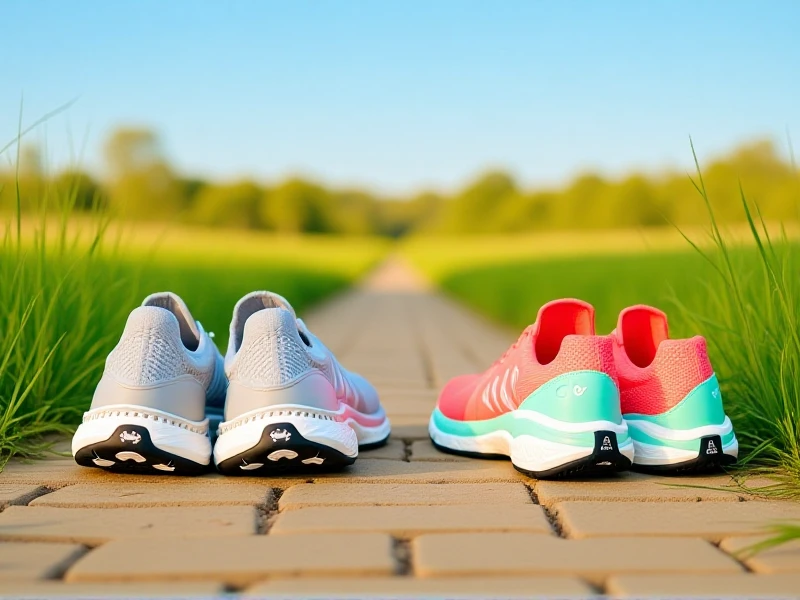
Women's Running Shoes: Find Your Perfect Pair & Conquer Every Mile
The right pair of women's running shoes isn't just about aesthetics; it's essential gear designed to support your feet, enhance performance, and help you achieve your goals injury-free. Whether you're a seasoned marathoner, a weekend warrior hitting the pavement, or just starting your journey, understanding how to find your ideal women's running shoes makes a world of difference. Forget one-size-fits-all; the perfect fit considers your unique biomechanics, running style, and terrain.
Your Foundation: Understanding Gait and Foot Type
The starting point for any runner is understanding your gait (how your foot rolls inward upon landing) and foot type (arch height). Overpronation (excessive inward roll) requires shoes with enhanced stability or motion control features, typically evident through structured cushioning and medial support posts. Neutral runners or those with supination (outward roll) benefit most from neutral shoes offering maximum cushioning and flexibility for a natural stride. High, low, or flat arches also influence the level of support needed.
Key Features to Look For in Women's Running Shoes
- Cushioning: Designed for impact absorption, cushioning levels vary greatly. Maximal cushioning offers plush comfort for high mileage or runners needing extra shock absorption. Moderate cushioning suits everyday training needs, while minimal cushioning provides a ground feel preferred by speed-focused runners. Remember cushioning type (softer or firmer foams like EVA, TPU, Pebax) affects both feel and longevity.
- Stability & Support: Crucial for overpronators. Look for features like supportive midsoles made from dual-density foams (darker, denser foam on the medial side), internal guidance systems like TPU shanks, or wider base platforms ("flared heels"). Neutral shoes for high arches often need more inherent arch support within the midsole.
- Fit & Comfort: Women's running shoes are anatomically shaped for a woman's narrower heel, longer arch, and different forefoot volume compared to men's shoes. Ensure a comfortable, secure heel lock, sufficient width across the ball of the foot (toe box space), and about a thumbnail's length between your longest toe and the shoe's end. Materials like breathable mesh uppers and seamless overlays prevent irritation.
- Weight: Lighter shoes generally promote faster turnover for speedwork and racing. Heavier shoes often provide more cushioning and structure. Training shoes often strike a balance.
- Traction & Outsole: Consider your primary surface. Road running shoes offer durable rubber outsoles designed for pavement. Trail women's running shoes feature aggressive lugs for muddy or rocky terrain and often added rock plates.
Match the Shoe to Your Focus
- Long Distance/Daily Training: Prioritize cushioning, comfort, support (if needed), and durability.
- Speedwork/Racing: Look for lightweight, responsive designs like racers or performance trainers, sometimes with a carbon or nylon plate for propulsion.
- Trail Running: Essential features include aggressive lugs, underfoot protection (rock plate), and often water-resistant uppers/durable overlays.
Don't Neglect the Practicalities
- Get Specialized: Visit specialty running stores for expert gait analysis.
- Shop Later: Your feet swell later in the day. Buy then to ensure the best fit.
- Bring Your Gear: Wear the socks you normally run in when trying shoes on.
- Rotate: Having 2 working pairs can increase shoe lifespan and provide varied stimulus.
- Replace: Replace women's running shoes every 300-500 miles, or when the cushioning feels compressed and noticeably less supportive.
Finding your perfect pair of women's running shoes empowers you to run stronger, longer, and more comfortably. Investing time in selecting the right features for your individual needs is an investment in your running journey's success and longevity, mile after mile. Lace-up, find your fit, and hit the running trails!