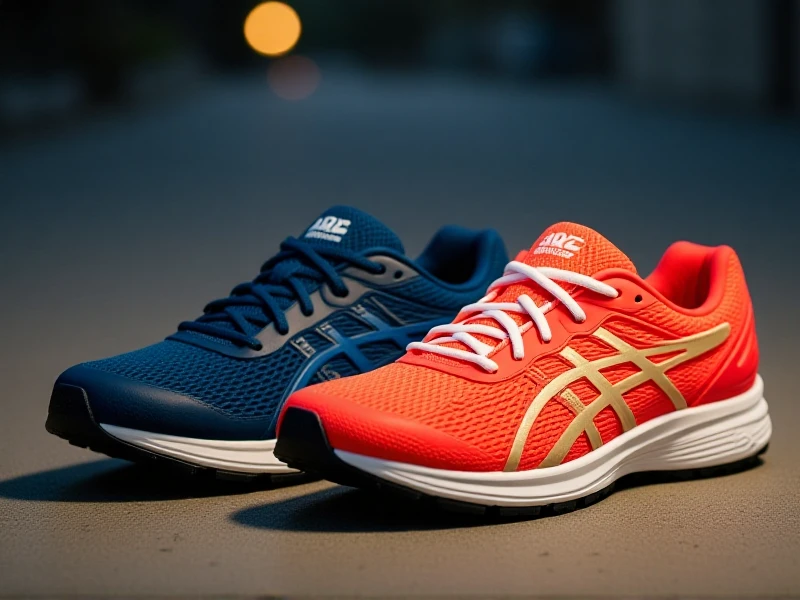
Discover the Perfect Women's Running Shoes for Your Next Run
Finding the right women's running shoes can transform your workout from painful to exhilarating. As a dedicated runner, I've learned that poorly fitting shoes often lead to blisters, aches, or even injuries. That's why investing in quality women's running shoes is essential—they're uniquely designed to support the natural shape and biomechanics of a woman's foot. In this guide, I'll share simple tips to help you choose the best pair, avoid common mistakes, and boost your running joy.
First, let's explore why women's running shoes are so different from unisex options. Women typically have narrower heels, wider forefeet, and lighter frames, which means generic shoes might cause slipping or discomfort. Quality women's running shoes offer features like enhanced arch support, extra cushioning in the midsole, and a snugger heel cup to prevent sliding. This tailored fit reduces fatigue and injury risks, especially for high-impact activities. Look for models tested specifically for female athletes, as they perform better with each stride—trust me, it makes all the difference in marathon training or daily jogs.
When selecting the perfect women's running shoes, focus on a few key factors. Start by considering your running style: are you a trail runner needing rugged grips, or a pavement cruiser who values cushion? Shoes with responsive foam midsoles offer comfort for distance runs, while those with motion-control features support overpronators. Next, always try shoes later in the day when feet swell, and wear your usual running socks for an accurate fit. Aim for a thumbnail's space in front of your toes to prevent pinching. Personally, brands like Brooks or Saucony get it right with models emphasizing breathable mesh uppers and lightweight designs that hold up for up to 500 miles.
Finally, remember that great women's running shoes empower consistent training and faster recoveries. Regularly rotating pairs helps extend their life, but replace them after every 300-400 miles to keep your runs fresh. I recommend starting with a basic cushion shoe if you're new; it's cost-effective and versatile. For seasoned runners, exploring options like stability or minimalist shoes can add variety to your routine. Before you buy, visit a local store for a gait analysis—many shops offer this free—to avoid surprises. With the right fit, you'll run stronger, happier, and ready to conquer any trail! Check online reviews to find top-rated picks, and share your favorite finds—let's inspire each other on this journey.